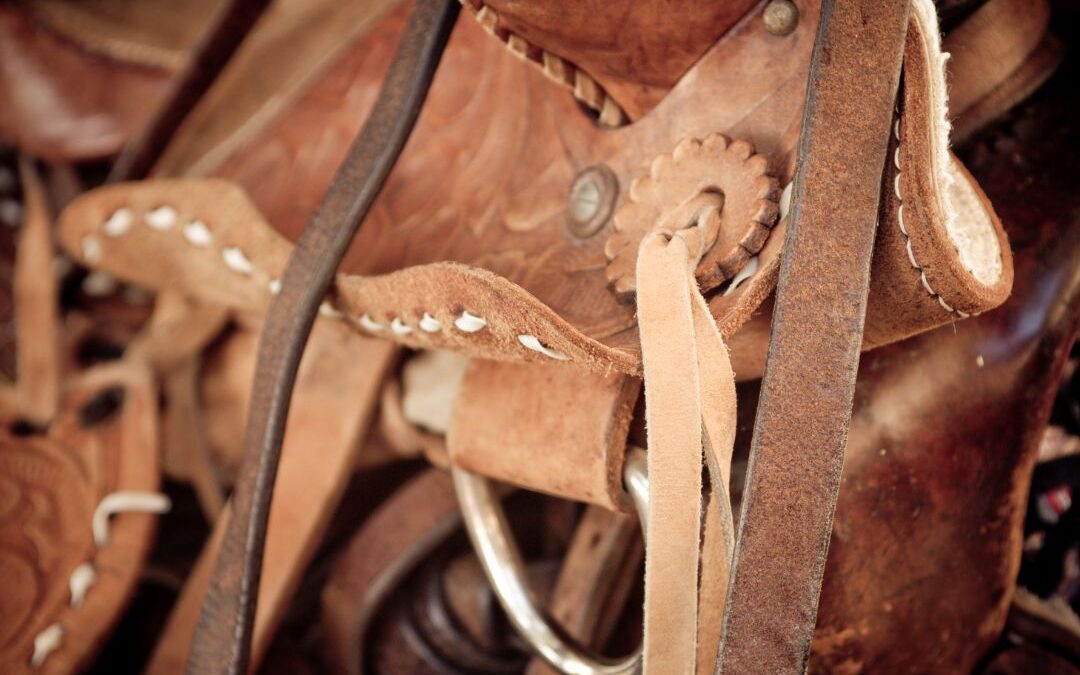
Vegetable-tanned leather is one of the oldest and most natural ways to process leather. But what makes it special, and why is it gaining popularity? In this blog post, we’ll explore how vegetable tanning works and why it’s a top choice for those who value craftsmanship and sustainability.

What is Vegetable-Tanned Leather?
Vegetable-tanned leather is processed using natural tannins derived from plant sources like tree bark and leaves. Vegetable tanning is an eco-friendly option that enhances the leather’s durability and character over time. The process takes several weeks, allowing the tannins to penetrate the hide naturally, resulting in a leather that is rich in color and texture. Since vegetable-tanned leather retains much of its natural grain and markings, each piece has a unique look and feel. Over time, it develops a beautiful patina, adding depth and character that only improves with use.
Thickness and Weight of Vegetable-Tanned Leather
The thickness of vegetable-tanned leather typically ranges from 1.0 mm to 5.0 mm. This thickness makes it highly versatile, suitable for a variety of uses from delicate accessories to heavy-duty applications like saddles or work gear. The weight can vary as well, with vegetable-tanned leather commonly weighing between 3.5 oz to 8 oz per square foot, depending on the thickness and application. The weight and thickness will impact how the leather behaves—thicker leather offers more structure and durability, while thinner leather allows for more flexibility and softness.
How is Vegetable-Tanned Leather Unique?
Each tanning method creates distinct qualities in leather and vegetable tanning is known for its:
Natural Finish – Uses plant-based tannins, resulting in a rich, organic look and feel.
Strength & Structure – Produces a firmer leather that softens and molds beautifully over time.
Aging Process – Develops a deep, warm patina with exposure to light, handling, and natural oils.
A Worthwhile Investment
While vegetable-tanned leather requires more time and effort to produce, its longevity and classic aesthetic make it a favorite for artisans and leather enthusiasts. Whether for bags, furniture, or accessories, choosing vegetable-tanned leather means choosing a material that tells a story and stands the test of time.
Stay tuned for more insights on leather craftsmanship, care, and how to choose the best leather for your needs!